

Clinical Services
Aesthetic Services
Make An Appointment
Mon - Sat: 11:00 AM - 7:00 PM
Sunday: Closed
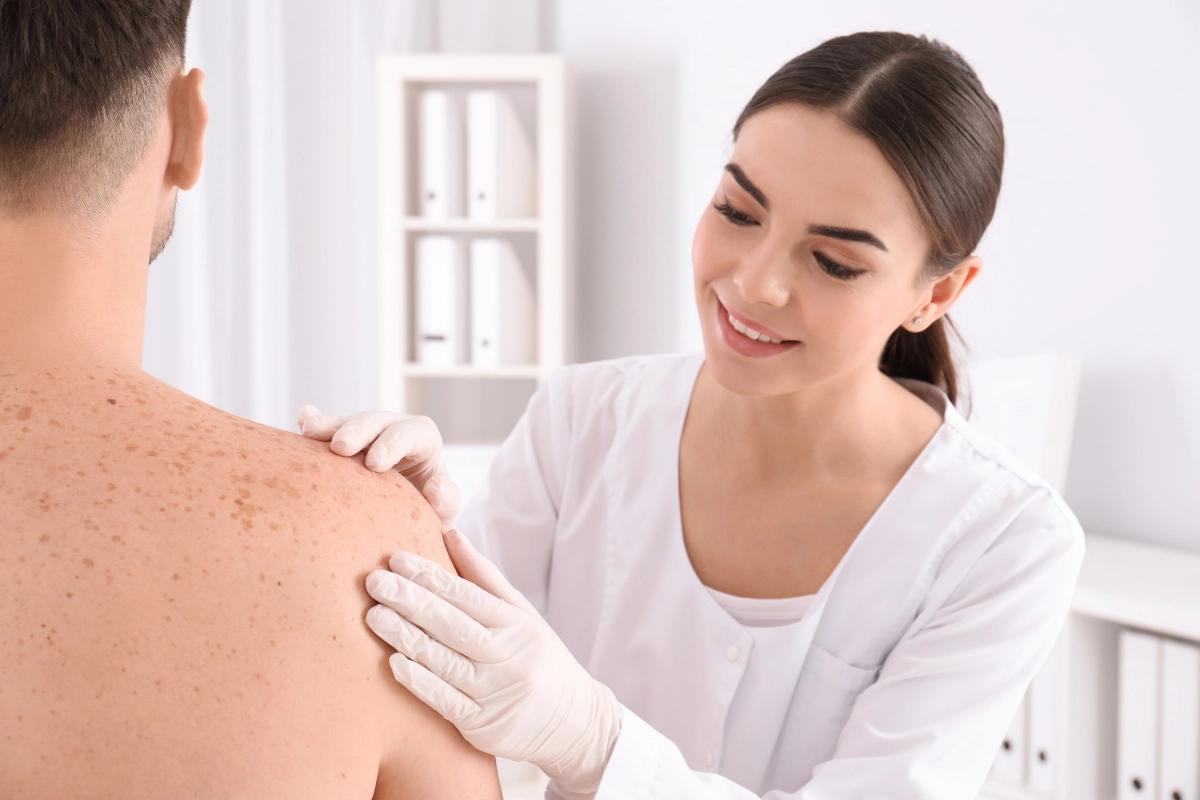
Specialist Care for Skin Changes, Inflammation, Tightness, Rashes, and Connective Tissue Concerns
Not every skin concern starts on the surface. Sometimes, changes in the skin may be linked to deeper inflammation, immune activity, connective tissue involvement, or other medical conditions that need careful evaluation.
Skin and tissue disorders can show up as persistent rashes, skin thickening, tightness, swelling, colour changes, sensitivity, inflammation, wounds that heal slowly, or skin symptoms associated with joint pain and body discomfort.
The aim is to understand whether the concern is limited to the skin or connected to a deeper condition that needs further diagnosis and coordinated care.
What Are Skin and Tissue Disorders?
Skin and tissue disorders refer to conditions that affect the skin, soft tissue, and sometimes the connective tissue beneath the skin. These concerns may involve inflammation, immune reactions, collagen changes, blood vessel changes, skin barrier damage, or tissue sensitivity.
In simple words, these are conditions where the skin may not just look irritated, but may also feel different. The skin may become tight, thick, painful, swollen, sensitive, discoloured, or inflamed for reasons that are not always obvious.
Some tissue-related skin concerns may be dermatological. Others may be associated with autoimmune or rheumatology-related conditions. This is why a proper clinical assessment is important instead of treating the symptoms only with creams.
The goal of treatment is to identify the cause, reduce inflammation, protect the skin, improve comfort, and guide the patient toward the right care plan.
Who Needs Treatment for Tissue-Related Skin Concerns?
You may need a dermatologist consultation if you are experiencing:
- Persistent rashes that do not improve
- Skin thickening or hardening
- Tightness of the skin
- Swelling under or around the skin
- Painful or tender skin patches
- Red, purple, or dark discolouration
- Skin sensitivity without a clear reason
- Recurring inflammation
- Skin changes along with joint pain or stiffness
- Rashes after sun exposure
- Slow-healing wounds or cracks
- Unexplained skin texture changes
- Skin that feels stretched, shiny, or unusually firm
- Repeated skin irritation in the same area
- Colour changes in fingers, toes, face, or body areas
- Skin symptoms linked with fatigue, swelling, or body aches
Find advanced connective tissue skin disorder Dubai treatment options with expert dermatologists providing personalized care for healthier and more resilient skin. A consultation is especially important if the skin changes are spreading, painful, recurring, associated with swelling, or happening along with joint-related or systemic symptoms.
Common Tissue-Related Skin Concerns We Assess
Tissue disorders can appear in different ways. A proper diagnosis helps decide whether the concern is dermatological, inflammatory, autoimmune-related, or linked with another medical condition.
Skin Thickening and Tightness
Some patients notice that the skin feels tighter, firmer, or thicker than usual. This may happen in localised areas or across larger body parts and needs careful evaluation.
Persistent Inflammatory Rashes
Rashes that keep returning or do not respond to usual creams may need a deeper assessment. They may be linked to immune reactions, allergies, connective tissue concerns, or chronic inflammation.
Photosensitive Rashes
Some tissue-related and autoimmune skin concerns may worsen after sun exposure. Patients may notice redness, burning, rashes, or pigmentation on exposed areas.
Swelling and Tender Skin
Swelling, pain, or tenderness under the skin may be linked to inflammation in the deeper layers of skin or soft tissue.
Colour and Texture Changes
Unexplained darkening, redness, purple patches, shiny skin, roughness, or uneven texture may need dermatology assessment, especially when persistent.
Skin Concerns With Joint Symptoms
Skin changes combined with joint pain, stiffness, swelling, or fatigue may need coordinated dermatology and rheumatology evaluation.
How Eczema Treatment Works
Eczema treatment at Minal Medical Centre begins with a detailed skin assessment. The dermatologist for eczema in Dubai, examines the affected areas, understands the symptoms, checks the pattern of flare-ups, and reviews possible triggers.
The treatment plan may include:
1. Skin Examination and Diagnosis
The dermatologist checks the type of rash, severity of dryness, inflammation, infection risk, and the areas affected. This helps confirm whether the concern is eczema or another skin condition that looks similar.
2. Trigger Identification
Many eczema flare-ups are linked to triggers. These may include:
- Heat and sweating
- Dubai weather changes
- Dust or allergens
- Fragranced skincare products
- Harsh soaps or detergents
- Frequent handwashing
- Stress
- Certain fabrics
- Food or environmental allergies in selected cases
- Skin infections
Identifying triggers helps reduce repeated flare-ups.
3. Medical Treatment Plan
Depending on the severity, the dermatologist may recommend creams, ointments, anti-inflammatory medicines, anti-itch treatment, barrier-repair moisturisers, or treatment for infection if needed.
The goal is to reduce inflammation, control itching, prevent scratching, and support skin healing.
4. Skin Barrier Repair
Eczema-prone skin needs regular barrier support. The dermatologist may guide you on the right moisturisers, bathing habits, skincare routine, and products to avoid.
This step is very important because eczema often returns when the skin barrier remains weak.
5. Long-Term Flare-Up Control
For recurring eczema, the doctor may create a long-term plan to reduce future flare-ups. This may include maintenance skincare, lifestyle guidance, follow-up visits, and early treatment when symptoms begin.
Minal Medical Centre already positions itself as a dermatology clinic that diagnoses and supports treatment for eczema, psoriasis, rosacea, dermatitis, ringworm, and other skin concerns.
How Skin and Tissue Disorder Treatment Works
Treatment begins with understanding the full picture. Tissue-related skin concerns cannot be treated only by looking at the visible patch. The doctor needs to understand the pattern, duration, associated symptoms, triggers, and medical history.
1. Detailed Medical and Skin History
The dermatologist reviews when the skin concern started, how it has changed, whether it is spreading, and if there are related symptoms.
The consultation may include questions about:
- Duration of skin changes
- Pain, itching, burning, or tightness
- Swelling or tenderness
- Sun sensitivity
- Joint pain or stiffness
- Fatigue or fever
- Previous skin conditions
- Existing medical conditions
- Medication history
- Family history
- Past treatments and response
This helps the doctor understand whether the condition is simple, chronic, inflammatory, or needs further investigation.
2. Clinical Skin Examination
The affected skin is examined for colour, thickness, texture, inflammation, scaling, swelling, warmth, tenderness, and distribution.
The pattern matters. For example, a rash on sun-exposed areas may suggest a different concern from thickened skin over the hands or swelling in one localised area.
3. Diagnosis and Investigation Planning
Depending on the symptoms, the doctor may recommend further tests or specialist evaluation. This may include blood tests, allergy assessment, skin scraping, biopsy, autoimmune screening, or rheumatology referral where required.
Not every patient needs tests, but in tissue-related concerns, investigations may be useful when symptoms are unusual, persistent, or associated with internal signs.
4. Medical Treatment to Reduce Inflammation
Treatment depends on the diagnosis. The doctor may recommend prescription creams, anti-inflammatory medication, moisturising and barrier care, infection control if needed, or systemic treatment in selected cases.
The aim is to calm active inflammation, reduce discomfort, and prevent worsening.
5. Skin Barrier and Protection Support
Many tissue-related skin conditions make the skin sensitive and vulnerable. Barrier repair is often an important part of care.
The dermatologist may advise:
- Gentle cleansers
- Medical moisturisers
- Sun protection
- Avoidance of irritants
- Skincare routine correction
- Protection from friction or harsh products
- Wound care when required
6. Coordinated Care When Needed
Some skin and connective tissue concerns may be connected to rheumatology or autoimmune conditions. In such cases, care may involve coordination with relevant specialists for a more complete approach.
This is important because treating only the skin may not be enough if the underlying concern is systemic.
Why Tissue-Related Skin Changes Should Not Be Ignored
Many patients wait because they assume the concern is just dryness, allergy, or temporary irritation. But tissue-related skin changes can sometimes progress or become harder to treat if delayed.
You should not ignore symptoms such as:
- Skin becoming tight or thick
- Rashes that keep coming back
- Painful or swollen skin
- Skin colour changes without a clear reason
- Rashes after sunlight exposure
- Skin symptoms with joint pain or fatigue
- Cracks, wounds, or slow healing
- Sudden changes in texture or sensitivity
A dermatologist can help identify whether the concern is minor, chronic, inflammatory, or needs deeper medical attention.
Benefits of Treatment at Minal Medical Centre
Correct Diagnosis
Tissue-related skin concerns can be complex. A dermatologist-led evaluation helps identify whether the issue is a skin condition, inflammation, infection, allergy, autoimmune-related concern, or connective tissue disorder.
Early Detection of Deeper Concerns
Some skin changes may be early signs of underlying medical conditions. Early assessment helps patients receive the right guidance at the right time.
Relief From Discomfort
Treatment can help reduce itching, burning, tightness, swelling, tenderness, and inflammation.
Protection Against Worsening
Persistent skin inflammation can sometimes lead to thickening, pigmentation, cracks, wounds, or long-term texture changes. Timely care can help reduce these risks.
Personalised Treatment Plan
Each patient’s symptoms, medical history, skin type, and lifestyle are different. Treatment is planned after proper assessment.
Dermatology and Rheumatology Understanding
Tissue-related skin concerns sometimes need more than routine skin treatment. A clinic with dermatology and rheumatology awareness can guide patients more appropriately when skin symptoms may be linked with internal inflammation or connective tissue involvement.
Better Long-Term Skin Management
Patients receive practical guidance on skincare, sun protection, flare-up prevention, follow-up, and when to seek medical help.