

Clinical Services
Aesthetic Services
Make An Appointment
Mon - Sat: 11:00 AM - 7:00 PM
Sunday: Closed
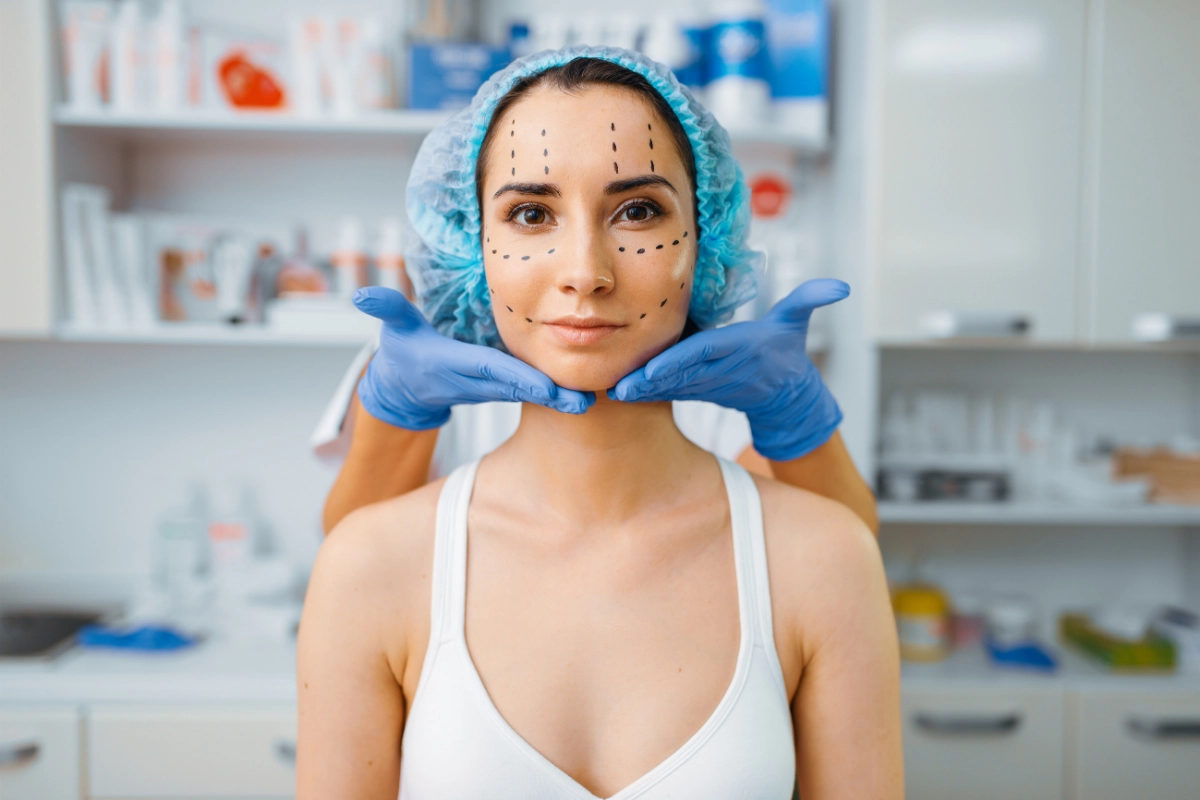
Comprehensive Medical Care for Skin, Hair, Nail, and Scalp Conditions
Minal Medical Centre offers clinical dermatology care in Dubai for patients dealing with common, chronic, recurring, or complex skin concerns. From acne, eczema, psoriasis, pigmentation, rashes, infections, and sensitive skin to hair, scalp, and nail-related conditions, our approach begins with proper diagnosis and personalised treatment planning.
Clinical dermatology is not about treating the surface alone. Our focus is to understand the cause behind the concern, assess the patient’s skin type and medical history, and recommend a treatment plan that is safe, practical, and suitable for long-term skin health.
What Is Clinical Dermatology?
Dermatologist-Led Treatment for Uneven Skin Tone & Dark Patches
Clinical dermatology is the medical branch of dermatology that focuses on diagnosing and treating diseases and concerns affecting the skin, hair, scalp, and nails. It includes both short-term skin problems, such as rashes or infections, and long-term conditions, such as eczema, psoriasis, rosacea, pigmentation, acne, and recurring flare-ups.
Many skin conditions can look similar in the beginning. For example, redness may be due to allergy, rosacea, infection, eczema, or sun sensitivity. Hair fall may be linked to stress, nutrition, hormones, scalp disease, or genetics. This is why a dermatologist-led evaluation is important before starting treatment.
At Minal Medical Centre, clinical dermatology care is planned after a detailed consultation, so patients receive the right diagnosis, clear guidance, and treatment that is suited to their concern.
Who Needs Clinical Dermatology Care?
You may need a clinical dermatology consultation if you are experiencing any skin, hair, scalp, or nail concern that is persistent, recurring, spreading, painful, uncomfortable, or not improving with routine skincare.
Clinical dermatology care may be suitable for patients with:
Acne and Breakouts
Teenage acne, adult acne, hormonal acne, painful pimples, clogged pores, blackheads, whiteheads, acne marks, and acne-related inflammation.
Eczema and Dry Skin Flare-Ups
Recurring itching, dryness, redness, irritation, sensitive skin, rough patches, and skin barrier-related concerns.
Psoriasis
Thickened patches, scaling, redness, flaky skin, recurring inflammatory flare-ups, and long-term psoriasis management needs.
Pigmentation and Uneven Skin Tone
Melasma, dark spots, sun spots, post-acne marks, tanning, uneven tone, and recurring pigmentation concerns.
Rosacea and Sensitive Skin
Facial redness, flushing, burning sensation, visible sensitivity, irritation, and skin that reacts easily to products or weather changes.
Skin Infections
Fungal infections, bacterial infections, viral skin concerns, recurring boils, ringworm-like patches, and infection-related irritation.
Rashes and Allergic Skin Reactions
Sudden or recurring rashes, itching, swelling, redness, contact allergy, and unexplained skin reactions.
Hair and Scalp Concerns
Hair fall, thinning, dandruff, itchy scalp, flaky scalp, scalp inflammation, and other scalp-related conditions.
Nail Concerns
Nail infections, brittle nails, thickened nails, nail growth concerns, colour changes, ingrown nails, and unusual nail changes that need medical assessment.
Sunburns and Photosensitive Skin Concerns
Sunburn, sun-triggered rashes, heat-related sensitivity, UV-related irritation, and skin reactions that worsen with sun exposure.
General Dermatological Conditions
Warts, skin tags, moles, benign skin growths, recurring irritation, tissue-related skin concerns, and other skin conditions requiring medical evaluation.
How Clinical Dermatology Care Works
1. Detailed Dermatology Consultation
The process begins with a consultation where the dermatologist assesses the patient’s concern in detail. This may include examining the affected area, understanding when the symptoms started, checking whether the condition is spreading or recurring, and reviewing previous treatments or skincare products used.
The doctor may also ask about lifestyle, allergies, family history, medical conditions, medications, hormonal changes, diet, stress, sun exposure, and other factors that may influence skin health.
This step helps identify whether the concern is inflammatory, infectious, allergic, hormonal, genetic, environmental, or related to another underlying cause.
2. Clinical Diagnosis
After examination, the doctor explains the likely diagnosis and the possible reason behind the condition. In some cases, skin concerns can be diagnosed through clinical examination. In others, further evaluation may be advised if the condition is unclear, recurring, or needs confirmation.
The aim is to avoid guesswork and unnecessary treatment. A correct diagnosis helps patients understand what is happening to their skin and what treatment approach will be most suitable.
3. Personalised Treatment Planning
Once the concern is diagnosed, a treatment plan is created according to the patient’s condition, skin type, age, severity, sensitivity, and treatment goals.
Depending on the diagnosis, treatment may include:
Topical medicines
Oral medication, where required
Medical skincare guidance
Anti-inflammatory treatment
Infection control treatment
Scalp or hair-related treatment
Nail treatment
Lifestyle and trigger guidance
Sun protection advice
Follow-up care
Advanced dermatology procedures, where suitable
The treatment plan is explained clearly, so patients understand how to use medicines, what to expect, how long improvement may take, and when to return for review.
4. Advanced Dermatology Support, Where Needed
Some skin concerns may need additional support beyond routine medication. Based on suitability, the doctor may recommend dermatology procedures, light and energy-based treatments, or other in-clinic treatments.
At Minal Medical Centre, advanced treatments are recommended only after proper assessment. The goal is to choose the right treatment for the right concern, without over-treating the skin or following unnecessary trends.
5. Follow-Up and Long-Term Skin Management
Many clinical dermatology concerns improve gradually and may need follow-up care. Conditions such as acne, eczema, psoriasis, pigmentation, rosacea, hair fall, and chronic rashes often require ongoing management rather than one-time treatment.
Follow-up appointments help the doctor monitor progress, adjust medicines if needed, prevent flare-ups, and guide patients on long-term care.
This is especially important for recurring or chronic concerns where maintenance and prevention are as important as active treatment.
Benefits of Clinical Dermatology Care
Clinical dermatology care at Minal Medical Centre helps patients receive proper medical attention for skin, hair, nail, and scalp concerns in a safe and structured way.
Key benefits include:
- Accurate diagnosis before treatment
- Dermatologist-led care for common and chronic skin concerns
- Personalised treatment based on the patient’s skin type and condition
- Care for acne, eczema, psoriasis, pigmentation, infections, rashes, and sensitive skin
- Support for hair, scalp, and nail-related concerns
- Clear guidance on medication, skincare, and aftercare
- Reduced risk of incorrect self-treatment
- Better long-term control of recurring skin concerns
- Safe treatment planning for different age groups
- Medical advice that focuses on skin health, not just cosmetic improvement
The main benefit of clinical dermatology is clarity. Patients understand what their concern is, why it may be happening, and what can be done to manage it correctly.
Doctor-Led Clinical Dermatology at Minal Medical Centre
Clinical dermatology care at Minal Medical Centre is guided by experienced medical professionals who assess every patient individually. The clinic follows a medically driven approach, where treatment is recommended only after understanding the diagnosis, severity, patient history, and treatment suitability.
With a trusted presence in Dubai for over three decades, Minal Medical Centre combines clinical dermatology expertise with patient-focused care. Whether the concern is simple, recurring, chronic, or unclear, the focus remains on safe treatment, honest guidance, and long-term skin health.
Patients can visit for dermatology concerns across different age groups, including newborn babies, children, adults, elderly patients, men, women, and families.