

Clinical Services
Aesthetic Services
Make An Appointment
Mon - Sat: 11:00 AM - 7:00 PM
Sunday: Closed
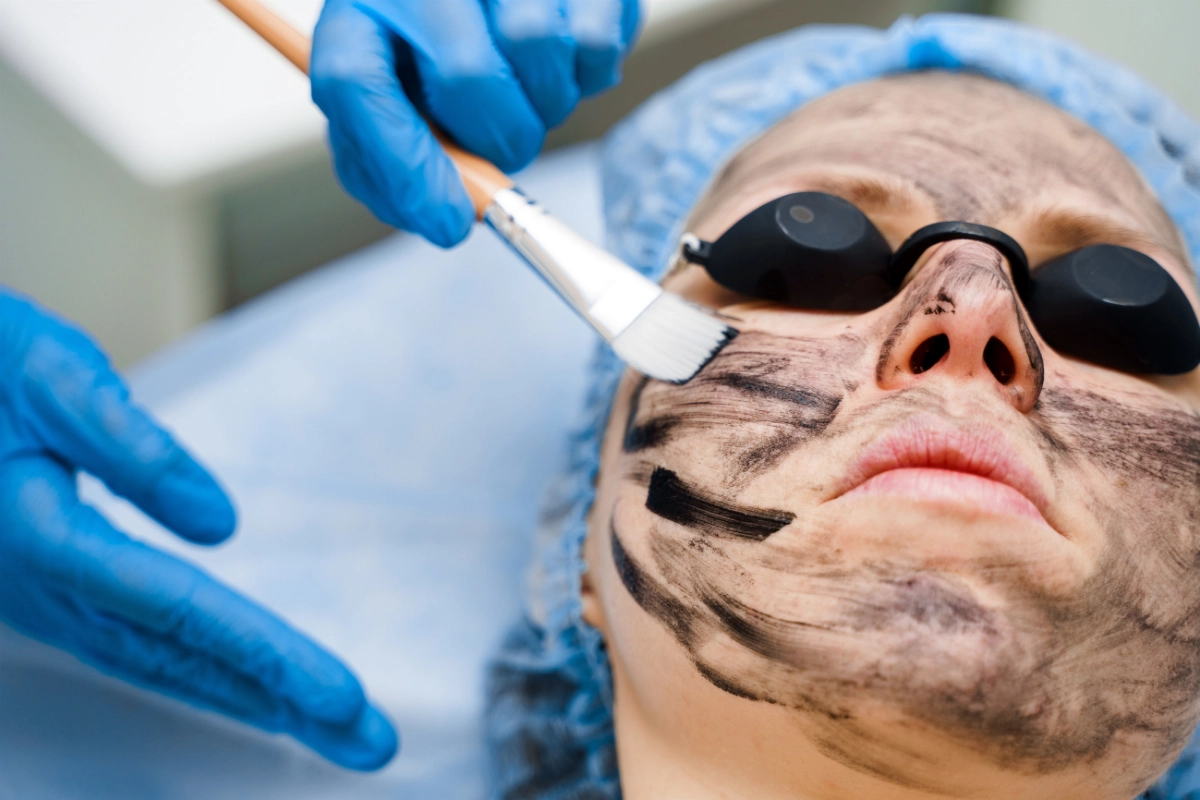
Care for Skin That Reacts Strongly to Sunlight, Heat, and UV Exposure
Some people step out in the sun and only get a mild tan. Others develop redness, burning, itching, rashes, dark patches, or unusual irritation even after short sun exposure. This is often described as photosensitive skin.
Photosensitive skin concerns need proper dermatology evaluation because the reaction may be linked to sensitive skin, certain medications, skin inflammation, pigmentation tendency, allergies, autoimmune conditions, or other underlying medical causes.
Photosensitive skin treatment focuses on understanding why the skin is reacting to sunlight and creating a safe, personalised plan to reduce flare-ups, protect the skin, and manage any related pigmentation, rash, or irritation. The clinic offers specialist care for medical dermatology, hair and nail disorders, rheumatology, laser, and non-surgical aesthetic treatments in Dubai.
What Is Photosensitive Skin?
Photosensitive skin means the skin reacts more strongly than expected to sunlight or ultraviolet exposure. The reaction may appear within minutes, hours, or even a day after sun exposure.
It can show up as redness, itching, burning, rash, swelling, bumps, darkening, peeling, or worsening of an existing skin condition. Some patients describe it as, “My skin burns too easily,” “I get rashes after going out,” or “My pigmentation becomes worse even though I use sunscreen.”
This is different from ordinary tanning or mild sunburn. Photosensitive skin often has a pattern. It may affect exposed areas such as the face, neck, arms, hands, chest, shoulders, or scalp. In some people, it may also be triggered by heat, visible light, certain skincare products, medicines, or medical conditions.
The first step is not to keep changing sunscreens. The first step is to understand the reason behind the skin reaction.
Who Needs Treatment for Photosensitive Skin Concerns?
You may need a dermatologist consultation if you notice:
- Redness or rashes after sun exposure
- Burning or stinging skin even after short outdoor exposure
- Itchy bumps on sun-exposed areas
- Skin that darkens quickly after sunlight
- Pigmentation that worsens despite sunscreen
- Melasma that becomes darker with heat or sun
- Sun-triggered flare-ups of rosacea, eczema, or dermatitis
- Swelling or sensitivity after being outdoors
- Rashes on the face, neck, chest, arms, or hands
- Repeated sun allergy-like reactions
- Skin irritation after using certain creams and going into the sun
- Unusual skin reactions after starting a new medicine
- Photosensitivity linked with autoimmune or connective tissue concerns
- Skin that feels painful, hot, or inflamed after daylight exposure
Protect and soothe delicate skin with specialized sun sensitive skin treatment Dubai solutions designed to reduce irritation, redness, and UV-related skin damage.
A consultation is especially important if the reaction is recurring, spreading, painful, leaving marks, or associated with fatigue, joint pain, mouth ulcers, hair fall, or other systemic symptoms.
Common Photosensitive Skin Concerns We Assess
Photosensitivity is not one single condition. It can happen for different reasons, and the treatment depends on the cause.
Sun-Induced Rashes
Some patients develop red, itchy, raised, or patchy rashes after sun exposure. These may appear on exposed areas and may return each time the patient goes outdoors.
Pigmentation That Worsens With Sunlight
Melasma, post-inflammatory pigmentation, sun spots, and uneven skin tone can become darker with UV exposure, visible light, and heat.
Medication-Related Photosensitivity
Certain medicines may make the skin more sensitive to sunlight. The skin may burn faster or react unusually after sun exposure.
Skincare-Related Sensitivity
Retinoids, exfoliating acids, bleaching creams, peels, and harsh products may make the skin more reactive if used incorrectly or without proper sun protection.
Autoimmune-Linked Photosensitivity
Some autoimmune and connective tissue-related conditions can cause sun-triggered rashes or sensitivity. These concerns need careful medical assessment and, in some cases, combined dermatology and rheumatology support.
Heat and Light-Triggered Skin Flare-Ups
Some patients experience worsening redness, sensitivity, rosacea, itching, or pigmentation due to heat, strong daylight, or repeated outdoor exposure.
How Photosensitive Skin Treatment Works
The goal is to identify what is making the skin overreact. Once the cause is clearer, the dermatologist can plan treatment more safely and effectively.
1. Detailed Skin and History Assessment
The dermatologist examines the skin reaction, affected areas, timing of symptoms, severity, and pattern of recurrence.
The doctor may ask:
- When does the reaction appear after sun exposure?
- Does it happen every time or only sometimes?
- Which areas are affected?
- Is there itching, burning, rash, swelling, or pigmentation?
- Are you using any active skincare products?
- Have you recently started any medication?
- Do you have eczema, rosacea, melasma, or autoimmune concerns?
- Is there joint pain, fatigue, hair fall, or mouth ulcers?
These details help separate simple sun sensitivity from conditions that need deeper evaluation.
2. Identifying the Trigger
Photosensitivity may be triggered by UV rays, visible light, heat, medications, skincare ingredients, inflammation, or an underlying skin or systemic condition.
Instead of treating only the visible redness or pigmentation, the dermatologist looks at the full picture. This helps avoid repeated flare-ups and unnecessary product use.
3. Medical Management of Rashes and Inflammation
If there is redness, itching, burning, rash, or swelling, the doctor may recommend suitable medical treatment to calm the skin.
This may include prescription creams, anti-inflammatory treatment, barrier-repair skincare, oral medicines when required, or treatment for any associated condition.
4. Pigmentation and Skin Tone Management
If photosensitivity is causing pigmentation, dark patches, melasma, or uneven skin tone, treatment is planned carefully. The skin must first be stabilised before starting brightening, laser, peel, or active treatment options.
Minal Medical Centre offers customised pigmentation care and facial solutions to support brighter and more even-looking skin, depending on the patient’s suitability.
5. Sun Protection Planning
For photosensitive skin, basic sunscreen advice is not enough. The dermatologist may recommend:
- The right sunscreen type and SPF
- Broad-spectrum protection
- Correct quantity and reapplication
- Physical protection such as hats, sunglasses, and UPF clothing
- Avoiding peak sun hours
- Heat and light protection for melasma-prone skin
- Skincare changes to reduce irritation
- Guidance on actives like retinol, acids, and pigmentation creams
This step is very important in Dubai, where sun exposure and heat are part of daily life.
6. Follow-Up and Long-Term Control
Photosensitive skin often needs monitoring. The doctor may adjust treatment depending on how the skin responds, whether pigmentation improves, and whether flare-ups reduce.
For patients with suspected autoimmune or connective tissue-related symptoms, further evaluation may be advised. Minal Medical Centre has specialist knowledge across dermatology and rheumatology, which can support more complete assessment when relevant.
Benefits of Photosensitive Skin Treatment at Minal Medical Centre
Better Understanding of the Skin Reaction
Many patients only know that their skin “reacts to sun.” A dermatologist helps identify whether it is pigmentation, rash, allergy-like reaction, medication sensitivity, rosacea, melasma, or another medical concern.
Reduced Redness, Burning, and Itching
Treatment can help calm active inflammation and reduce discomfort after sun exposure.
Safer Pigmentation Management
Photosensitive skin can react badly to harsh brightening products or aggressive treatments. A dermatologist-led plan reduces the risk of irritation and rebound pigmentation.
Stronger Skin Barrier
Sensitive, reactive skin often needs barrier repair. The right routine can make the skin calmer and less vulnerable.
Personalised Sun Protection Guidance
Photosensitive skin needs specific protection based on the cause, lifestyle, skin type, and daily exposure.
Medical and Aesthetic Skin Expertise
Minal Medical Centre provides medical dermatology and aesthetic care through experienced, trained, and licensed professionals. The clinic treats patients across different age groups and is positioned as a skin, hair, and nail medical centre rather than only a surface-level skin clinic.
Support for Complex Skin Concerns
If photosensitivity is linked with pigmentation, inflammatory skin disease, rheumatology-related concerns, or medication reactions, the treatment plan can be approached more carefully.
Why Photosensitive Skin Should Not Be Ignored
If the skin reacts strongly to sunlight again and again, it is worth investigating. Repeated inflammation can make the skin more sensitive and may lead to marks, pigmentation, discomfort, and worsening of existing skin conditions.
Ignoring photosensitive skin may lead to:
- Recurring redness and rashes
- Burning or stinging after sun exposure
- Dark patches and uneven tone
- Worsening melasma
- Increased skin sensitivity
- Irritated or damaged skin barrier
- Flare-ups of eczema, rosacea, or dermatitis
- Delay in diagnosing underlying medical causes
- Fear of going outdoors due to repeated reactions
The earlier the cause is understood, the easier it becomes to protect and manage the skin.